27September2010
Posted by Crystal under: Restaurant Business.
Restaurants are generally required to comply with a number of health and safety regulations on a local, state and federal level. These regulations are designed to protect general public from food borne illnesses and provide food service establishments with information and tools related to food safety. Here is a high level overview of most common food-related safety codes and regulations that a typical restaurant has to comply with:
Read the rest of this entry »
22September2010
Posted by Crystal under: Restaurant Business.
A lot of thought and effort usually goes into creating an impressive restaurant’s interior design, which is an important part of a restaurant’s concept and brand positioning. The exterior design, however, often doesn’t get proper attention or gets neglected altogether. In reality, the exterior design is a critical element in attracting customers and building your brand. How you design your restaurant from outside will help you communicate to potential customers what your restaurant is all about. Here are a few tips about main elements of a restaurant’s exterior design:
Read the rest of this entry »
13September2010
Posted by Crystal under: Recession Tips & Tricks; Restaurant Business.
Restaurant promotions are critical to your restaurant’s success and increase in revenues. It is a misconception that restaurant promotions are expensive and require expensive professional promoters. While expensive promotion campaigns might work for a chain restaurant, independent restaurants can often achieve similar results utilizing cheaper options. Creative promotional campaigns will also differentiate your restaurant from the rest. Here are some great ideas to help you increase food and beverage revenues:
Read the rest of this entry »
7September2010
Posted by Crystal under: Restaurant Business.
Restaurant manager plays some of the most important roles in restaurant’s operations, management and building an overall image of your establishment. At a minimum, a good restaurant manager should demonstrate excellent customer skills, exhibit superior employee management abilities and have extensive experience with restaurant industry. During an interview process, there are several key areas that should be probed to identify the best possible candidate for the job: Read the rest of this entry »
23August2010
Posted by Crystal under: Recession Tips & Tricks; Restaurant Business.
Many restaurants are currently experiencing a slowdown due to a challenging economic climate. The numbers of diners have shrunk, while the overhead costs of operating a restaurant have remained the same or increased. However, there are restaurants that continue to do well even during the recession. In fact, due to their higher flexibility and responsiveness, many smaller independent restaurants have a much higher chance of surviving and increasing their sales than larger restaurants. Here are a few tips to help any struggling restaurant thrive during the recession:
Marketing. While it is tempting to decrease marketing related expenses during challenging economic times, it is important to ensure that potential customers are aware of your restaurant’s existence and that you keep your pipeline filled with new and returning customers. Small restaurants should take an advantage of utilizing cost-effective marketing methods, such as online advertising, social media, etc. Stay in your customer’s minds through emails, text-messaging, mailed newsletters, announcements of special events and other messages. Fully utilize inexpensive ways to stay connected to your customers.
Read the rest of this entry »
17August2010
Posted by Crystal under: Food Tips.
Food safety is impossible without observing the right temperatures when thawing, cooking, and storing foods. Bacterial growth in foods is often linked to certain temperature ranges, and keeping the food out of the dangerous temperature ranges will greatly reduce any chance of food borne illnesses occurrences at your dining establishment. Here are some basic tips and reminders on proper procedures and temperatures to observe when thawing, cooking or storing foods:
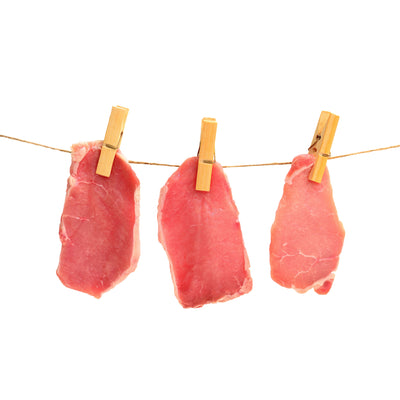
Cooking. The common misconception is to rely solely on visual cues to determine whether the food is thoroughly cooked. However, much preferred and much more accurate way to gauge the preparedness of the food is to make it a habit to consistently measure the food temperature. The fact of the matter is that bacteria tend to multiply fast only within a certain temperature range – between 40 F and 140 F. The right amount of heat will destroy harmful bacteria. Cooking safely, therefore, always means raising the food temperature to the right level (above 160 F) to ensure that the food is safe to eat. Use thermometers to gauge the food preparedness level instead of visual clues. Place thermometers in the thickest parts of the food to have the most precise readings. Check temperatures at different stages of cooking to ensure even cooking. Use thermometers everywhere you cook: on stove top, in the oven, or on the grill. When reheating foods, apply the same procedures and use a thermometer to ensure that preheated foods have reached the safe temperatures of above 160 F. A good rule of the thumb whenever reheating liquid foods is to always bring them to boil. Read the rest of this entry »
9August2010
Posted by Crystal under: Equipment Maintenance & Tips.
Purchasing a commercial grade dishwasher is a big expense, which is why it is important to invest time and effort in defining the needs of your restaurant. Before you make that big purchase, assess important factors, such as the dish volume, the appropriate size of the dishwasher, energy efficiency, and other considerations. Only after you do your due diligence, can you buy the right machine for your dining establishment. The market offers a variety of models, to meet every need of a restaurant owner: from dishwashers designed to wash only pots and pans to models designed specifically to wash glassware, and many other models in between. Here are a few things to consider before purchasing a commercial dishwasher:
Dishwashing Volume. Choosing the right commercial dishwasher depends to a large extent on the volume of dishes you restaurant washes on a regular basis. It is also important to define the number of dishes your restaurant washes during peak hours, and base your selection of the dishwasher on that number. Also consider any seasonal changes that might increase your dishwashing volume, or certain times of the year that are busier than others. Dishwasher size also has to be considered carefully. If you choose to purchase a larger unit, but your dishwashing volume is low, your dishwasher will run half empty on a regular basis, resulting in extra consumption of both energy and water. Make sure to purchase a dishwasher of the optimal size to fit your restaurant’s operating volume. Also, take into account any future growth your restaurant might experience. Read the rest of this entry »
4August2010
Posted by Crystal under: Equipment Maintenance & Tips.
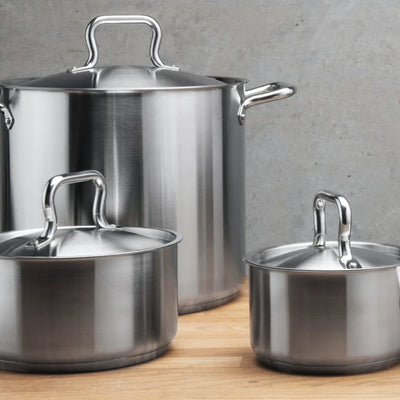
Stove-top cookware can easily get damaged and rust over time if not properly cared for.
To extend the life of the cookware, it is important that the cookware remains rust free, and that the outer coverings of your pots and pans remain undamaged. Stove-top cookware generally falls into 3 main categories: stainless steel, cast iron, and aluminum. Here are some basic tips on how to care for each common type of commercial grade stove-top pots and pans:
Stainless Steel pans are a great accessory in any commercial kitchen, as they are sturdy, attractive looking, and relatively light in weight. To prolong the life of your stainless steel pans, it is especially important to take proper care of the outer layer of the stainless steel cookware to prevent it from getting damaged and, subsequently, rusting. The best way to clean stainless steel is with warm soapy water, using a soft cloth. This will prevent dings and scratches to the surface of the cookware. If stains are persistent, try soaking the pan in warm water with a pinch of dishwasher detergent to loosen the stain. Do not use bleach and do not use abrasive cleaning pads as both of these will damage the steel finish and cause rust. Dry your stainless steel cookware thoroughly. This will help prevent water spots caused by hard water and build up of minerals, which over time may damage the steel. Read the rest of this entry »
26July2010
Posted by Crystal under: Equipment Maintenance & Tips.
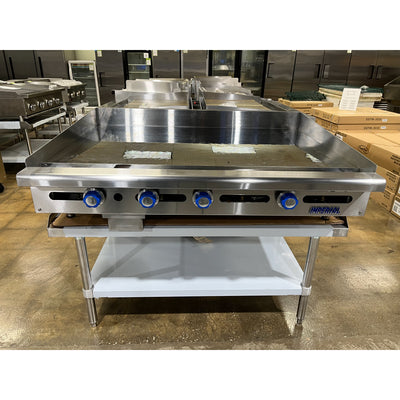
Commercial kitchen range is an important and expensive piece of restaurant equipment, and providing the proper care for it will ensure it lasts longer, is more energy-efficient and provide the best performance. Below are several tips on how to increase the efficiency of a commercial kitchen range:
Select the Right Cookware. To ensure optimum performance of your kitchen range, make sure your staff has the right type of cookware. The best cookware will be sturdy, without uneven bottoms. This will ensure the efficient heat transfer, and that the bottoms of the pans heat evenly. The pan size should correspond to the burner size to ensure the efficient heat transfer. If you use a smaller pan on a larger burner, a large amount of the heat energy produced by the burner will be wasted and will not transfer to the pan but instead will heat up the kitchen.
Read the rest of this entry »
20July2010
Posted by Crystal under: Equipment Maintenance & Tips.
Cleanliness is one of the most important factors contributing to any restaurant’s success or failure. Dirty restaurant premises will not only cost you diners, having poorly cleaned dining facilities may result in the citations by the local health inspection department and other serious health code violations. Here are some tips on how to make sure your restaurant premises are in line with the local health and safety regulations:
Health and Safety Considerations. Your restaurant’s cleanliness standards should reflect local health code stipulations. Inform and educate your staff regarding what local code expects from a restaurant in terms of cleaning procedures. Create checklists to define how often a certain area of a restaurant or an object should be cleaned, what it should look like, etc.
Read the rest of this entry »